
Troubleshooting & Maintenance Best Practices for the Roche Cobas Integra 400 Plus

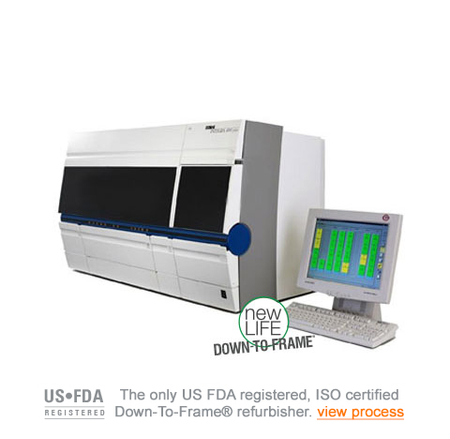
For mid-volume laboratories and specialized hospital departments, the Roche Diagnostics Cobas Integra 400 Plus is a highly trusted workhorse. Capable of consolidating up to 400 photometric and ISE tests per hour on a single benchtop platform, it is designed to drastically reduce manual workload.
However, even the most robust clinical chemistry analyzers are susceptible to downtime if daily maintenance and proactive troubleshooting are neglected. When fluidic lines clog or calibration flags appear, it creates severe turnaround time (TAT) bottlenecks. To ensure your laboratory operates at peak efficiency, here are the top troubleshooting and maintenance best practices for the Roche Cobas Integra 400 Plus.
1. Master the Automated Daily Maintenance Cycle
The most common cause of sudden pressure errors and fluidic blockages is skipping the manufacturer-recommended daily wash cycle. The Cobas Integra 400 Plus is engineered with an intelligent, software-driven maintenance protocol. Technologists should ensure that the daily initialization and wash sequences (including the probe and cuvette rinses) are strictly adhered to before the first shift begins. This proactively prevents protein buildup and reagent cross-contamination.
2. Optimize Reagent Management (Cobas c Packs)
The system utilizes Roche's highly efficient, ready-to-use reagent carriers. A frequent troubleshooting issue arises when labs experience sudden calibration drift. This is often tied to improper onboard reagent handling. Always ensure that the reagent compartment maintains its strict refrigerated temperature limits. If a specific assay begins failing quality control (QC), check the onboard stability timeline of the specific reagent pack and ensure the piercable caps have not been compromised.
3. Proactive ISE Module Care
The Ion-Selective Electrode (ISE) module is critical for delivering rapid sodium, potassium, and chloride results. The most frequent STAT delays occur when the ISE module fails calibration due to micro-clots or expired reference solutions. Implement a strict weekly cleaning schedule for the ISE fluidic pathways using the specific Roche cleaning solutions, and replace the electrodes exactly according to their specified lifespan, rather than waiting for them to fail during a live patient run.
4. Resolve Cuvette and Optical Errors
Photometric testing requires pristine optical clarity. If the system generates repetitive absorbance errors, the root cause is often dirty or degraded reaction cuvettes. While the system washes these automatically, aging cuvettes can develop micro-scratches over time that scatter the halogen light source. Routinely monitor the cuvette blank readings in your software interface. If a cluster of cuvettes consistently flags high, initiate a manual cuvette replacement protocol.
5. Cost-Effective Scaling and Replacements
Even with immaculate maintenance, growing laboratories eventually need to scale their capacity or replace aging hardware. Upgrading your core lab does not require exhausting your capital expenditure budget on brand-new equipment.
Maximize Your Laboratory's Uptime
At Diamond Diagnostics, we empower laboratories to scale efficiently with industry-leading refurbished equipment.
If your facility is looking to add a certified, Down-To-Frame® refurbished Roche Cobas Integra 400 Plus to your workflow, we guarantee flawless fluidic operation, pristine optical alignment, and complete audit-readiness from day one.