
7 Hidden Causes of a High Anion Gap (And What It Means)

When a physician orders a Comprehensive Metabolic Panel (CMP) or a Basic Metabolic Panel (BMP), one of the most critical calculated values returned by the laboratory is the Anion Gap.
The anion gap measures the difference between the positively charged ions (cations, like Sodium and Potassium) and the negatively charged ions (anions, like Chloride and Bicarbonate) in your blood. A normal anion gap typically falls between 4 and 12 mEq/L. However, when the gap is abnormally high, it signals a state of High Anion Gap Metabolic Acidosis (HAGMA)—meaning there are unmeasured, acidic toxins building up in the bloodstream.
Medical professionals often use the mnemonic MUDPILES to remember these triggers. Here are the 7 most common hidden causes of a high anion gap that laboratory testing uncovers.
1. Diabetic Ketoacidosis (DKA)
This is one of the most frequent causes of a high anion gap seen in the emergency room. When a patient with uncontrolled diabetes cannot utilize glucose for energy due to a lack of insulin, the body rapidly breaks down fat instead. This process releases toxic byproducts called ketones (beta-hydroxybutyrate and acetoacetate) into the blood, severely dropping the blood's pH and widening the anion gap.
2. Lactic Acidosis
Lactic acid builds up in the bloodstream when cells are forced to produce energy without sufficient oxygen (anaerobic metabolism). This massive spike in unmeasured acidic anions is a primary clinical indicator of severe physiological stress, including sepsis, massive hemorrhage, profound heart failure, or prolonged seizures.
3. Chronic Kidney Disease (Uremia)
Healthy kidneys are responsible for filtering out natural metabolic waste acids (such as sulfates and phosphates). In patients with advanced or end-stage chronic kidney disease, the kidneys lose this filtration ability. As these unmeasured acidic anions accumulate in the bloodstream (a condition known as uremia), the anion gap progressively widens.
4. Salicylate Toxicity (Aspirin Overdose)
An intentional or accidental overdose of aspirin (acetylsalicylic acid) directly introduces exogenous acid into the bloodstream. Furthermore, salicylate toxicity interferes with cellular metabolism, causing the body to concurrently produce excess lactic acid and ketones, leading to a complex and dangerously high anion gap.
5. Methanol Poisoning
Methanol is a highly toxic alcohol found in antifreeze, windshield washer fluid, and improperly distilled bootleg liquor. When ingested, the liver metabolizes methanol into formic acid. Formic acid is incredibly toxic to the optic nerve (causing irreversible blindness) and results in a profoundly elevated anion gap.
6. Ethylene Glycol Poisoning
Similar to methanol, ethylene glycol is a sweet-tasting chemical primarily used in automotive antifreeze. The body breaks ethylene glycol down into glycolic acid and oxalic acid. Not only do these unmeasured anions spike the anion gap, but the oxalic acid binds with calcium to form massive crystals that rapidly destroy kidney tissue.
7. Starvation Ketoacidosis
While much less severe than Diabetic Ketoacidosis, starvation ketoacidosis occurs in patients suffering from extreme malnutrition, eating disorders, or those on strict, prolonged zero-carbohydrate diets. When the body's glycogen stores are completely depleted, it begins breaking down fat into ketones for brain fuel, slightly elevating the anion gap.
The Importance of Precision Chemistry Analyzers
Because the anion gap is a calculated value [Na+ - (Cl- + HCO3-)], its accuracy relies entirely on the precision of the laboratory equipment measuring the baseline electrolytes. A tiny calibration error in a chloride or sodium Ion-Selective Electrode (ISE) can artificially skew the anion gap, leading to critical misdiagnoses in the ER.
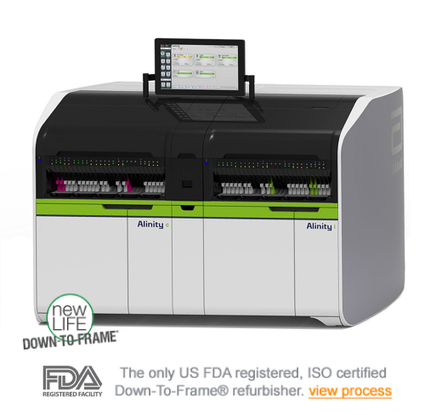
To ensure absolute accuracy in electrolyte and metabolic testing, clinical laboratories rely on robust, high-throughput chemistry platforms. At Diamond Diagnostics, we equip hospitals and reference labs with certified refurbished, gold-standard chemistry systems.
From the high-volume Beckman Coulter AU680 to the highly specialized Medica EasyLyte electrolyte analyzers, our Down-To-Frame® refurbished systems guarantee the audit-ready precision your physicians need to accurately calculate and treat complex metabolic acidosis.